Tech Due Diligence / Audit Support for Founders
As a startup founder preparing for your first software due diligence audit, or simply wanting to refine your best practices, it's essential to look beyond commercial diligence for making the best deal decisions.

But
Why?
So that the
founders
can
evaluates whether the technology can handle growth and scale effectively. This is vital for long-term success.
know the technical risks and potential issues that could hinder the startup's growth or lead to costly problems down the line
asses the current state of the technology and development processes, TDD can highlight areas for improvement, leading to better efficiency and productivity.
get understanding the technical landscape allows startups to allocate resources more effectively, focusing on areas that need development or improvement
When making smart decisions in the tech world, conducting Technical Due Diligence (TDD) can be a game-changer. TDD helps you avoid costly mistakes and ensures your investments are solid. It involves a comprehensive and independent audit of the technical condition of a product, code quality, decision-making processes, and an assessment of all potential risks before securing necessary investments.
We thoroughly evaluate your tech product, covering aspects from functionality and infrastructure to security. Our goal is to identify opportunities, mitigate risks, and ultimately determine your target's full potential.

Detailed Outline of
TDD Process
Our team has extensive experience working with founders. The process of Tech Due Diligence (TDD) for a startup by an IT company typically involves several key steps to thoroughly evaluate the technical aspects of the startup.
Impact Through Partnership
Collaborating with clients and teams to create meaningful digital experiences that drive real-world results.

GardenGenAI
Plant Identifier, Leaf Snap, and Plant Care for Flora Information
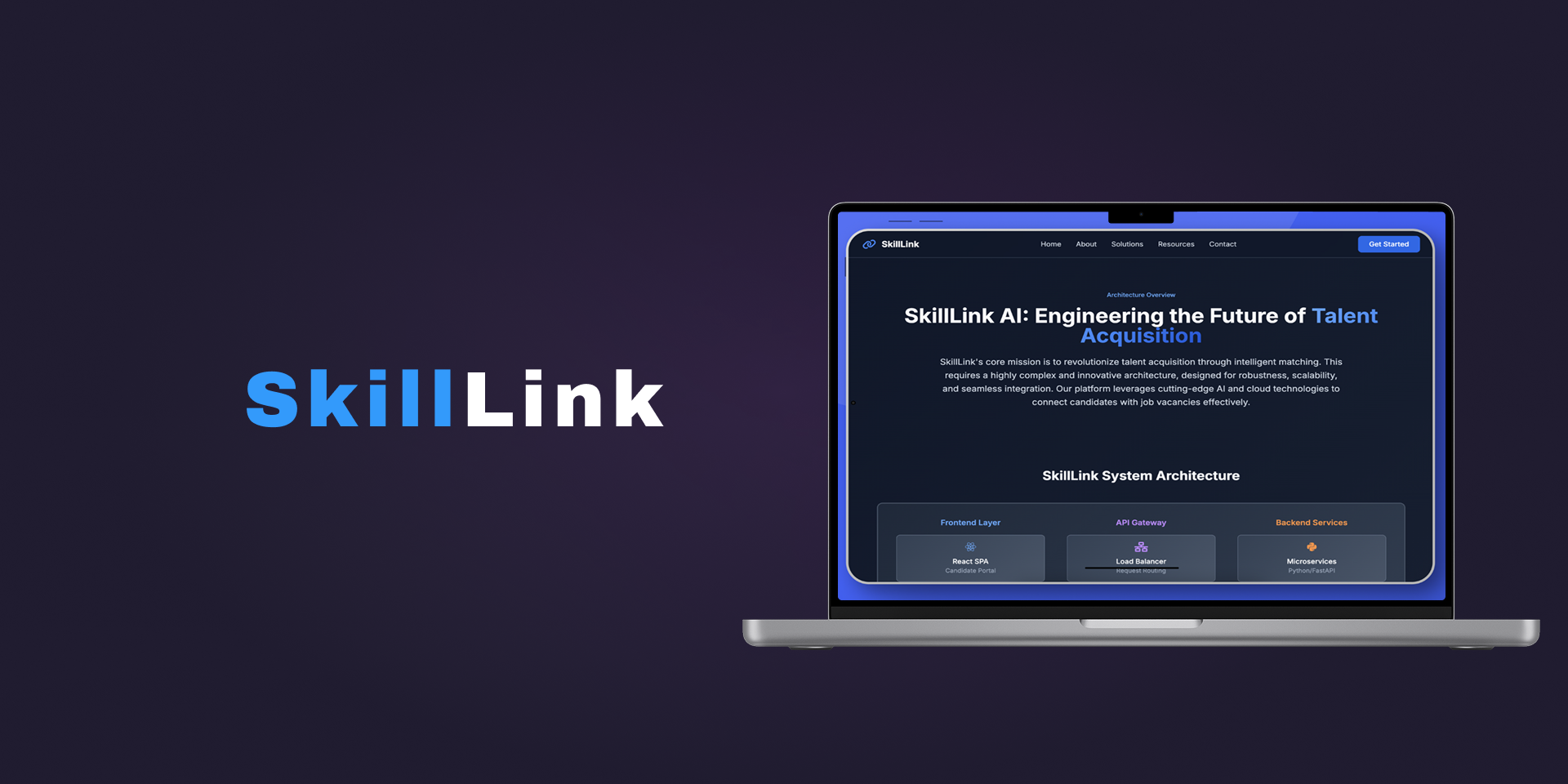
SkillLink
AI-Powered Talent Matching for Precision Hiring
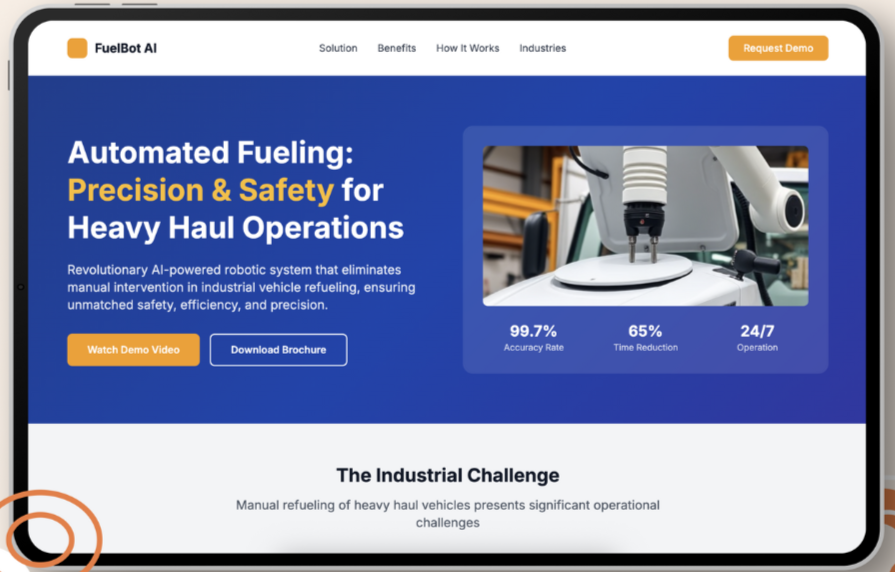
HPCL
AI automation with vision and robotics for autonomous heavy vehicle refueling
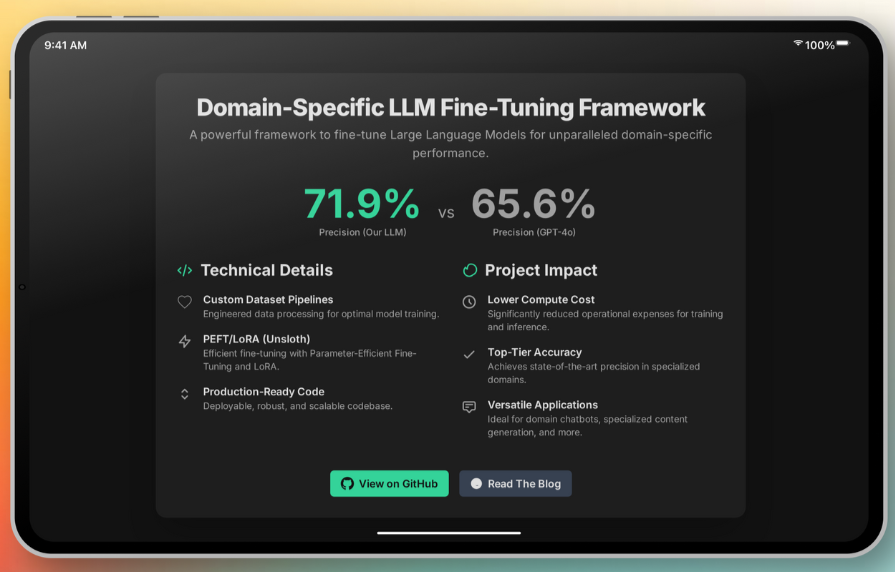
LLM Fine-Tuning
Fine-tuned compact LLMs outperform GPT models in domain-specific tasks

Pollstar
Pollstar is a full-stack platform offering real-time insights and analytics for live entertainment professional using React, Node.js and APIs.

Genda Phool
Explore fresh Puja flowers, stunning decoration florals, elegant bouquets, and rare exotic flowers—perfect for rituals, events, gifting, and celebrations.
Your Tech Journey Starts in 3 Simple Steps
LET'S CONNECT
1. Schedule the Call
The first step is easy. Just schedule a call with us at your convenience. This initial conversation will allow us to get to know you and your business better.
2. Discuss Your Idea
During our discussion, share your business challenges and the results you aim to achieve. This information will help us start brainstorming the best solutions tailored to your needs. We'll explore your vision in detail, ensuring we understand every aspect of your goals.
3. Review a Proposal and Sign a Contract
After our discussion, we'll prepare a comprehensive proposal that outlines our approach to your project. Take your time to review it, and once you're satisfied, sign the contract. With everything in place, we'll begin working on turning your vision into reality.
Success Shared: Inspiring Stories of Collaboration
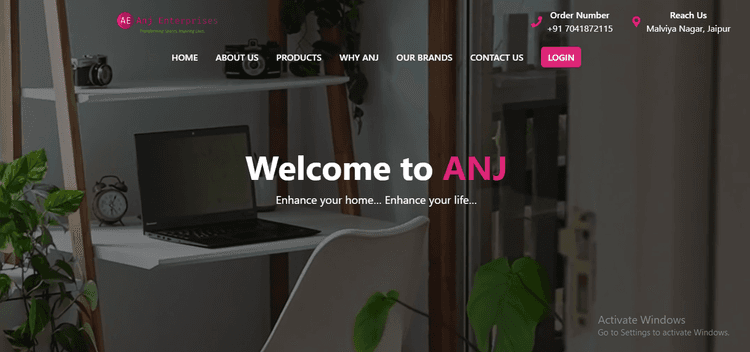
Our experience with Maitrii Infotech Solution Pvt Ltd has been outstanding. From the very beginning, their team displayed a deep understanding of our needs and provided us with innovative solutions that exceeded our expectations.

Garvit Kabra
Founder - ANJ Enterprises
What truly sets Maitrii Infotech Solution Pvt Ltd apart is their commitment to customer satisfaction. They took the time to listen to our concerns, addressed every issue promptly, and provided continuous support throughout the project. The end result was a seamless and efficient system that has significantly improved our operations.

Dhruv Ajmera
Chief Operation - Banglow 108

The Maitrii team built an advanced application for us that accurately identifies plant diseases, analyzes nutrition levels, and provides actionable remedies. Their innovative approach and timely delivery made a significant impact on our growth .

Naresh Gupta
Founder - Hydro Farms Technology
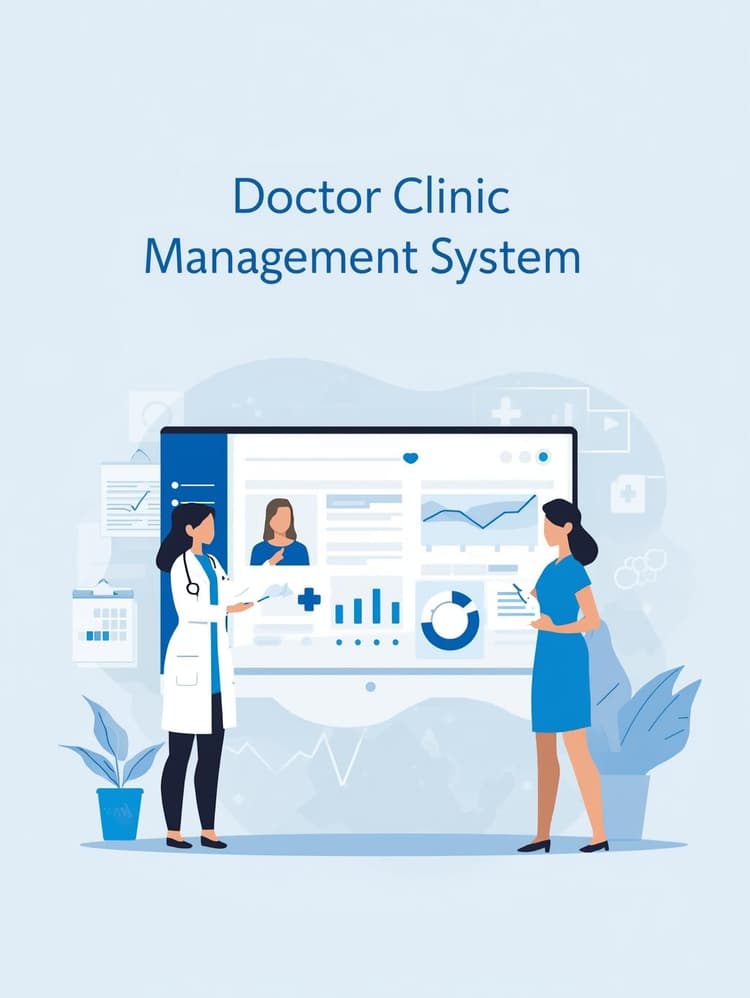
They built a seamless system to handle our clinic operations digitally. Appointment scheduling and patient records are now managed efficiently thanks to their tech expertise.
Dr. Gunjan Mittal
Founder - Mittal Clinic